

What is a Civil Site Plan and Why is it Important in Home Building?
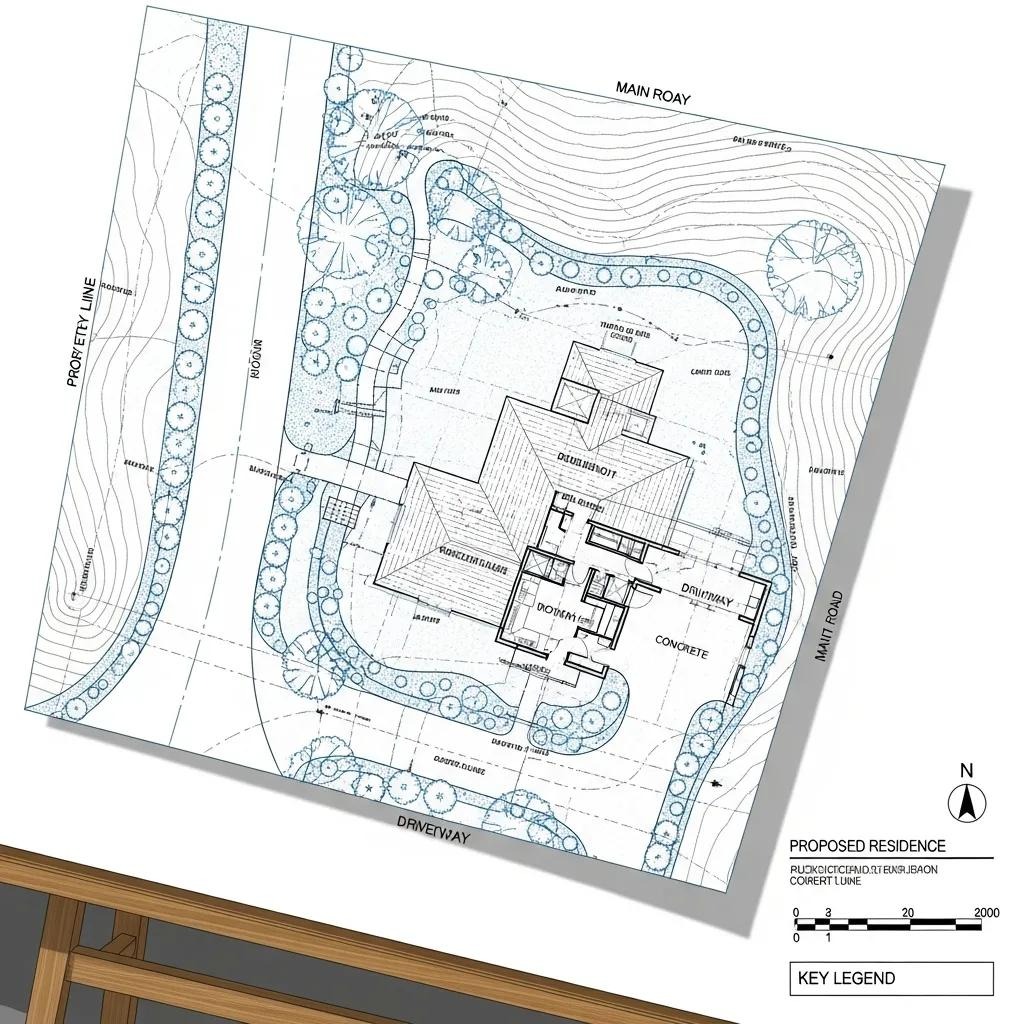
Civil site plans are essential documents in the home building process, serving as a blueprint for the layout and design of a property. They encompass various elements that ensure the construction adheres to local regulations and meets the needs of the homeowner. In this article, we will explore the definition of civil site plans, their core components, and their critical role in the success of home building projects. Understanding these plans can help homeowners avoid costly mistakes and ensure a smoother construction process. We will also discuss who prepares these plans and how they relate to building permits, as well as the importance of civil engineering in site development.
A civil site plan is a detailed drawing that outlines the proposed development of a specific piece of land. It includes information about the layout of buildings, roads, utilities, and other features necessary for the construction and use of the property. Unlike a floor plan, which focuses on the interior layout of a building, a civil site plan provides a broader view of how the entire site will function. This comprehensive approach ensures that all aspects of the property are considered, from drainage to landscaping.
Civil site plans differ from floor plans in their scope and purpose. While a floor plan illustrates the internal layout of a building, including room dimensions and furniture placement, a civil site plan encompasses the entire property. It includes external elements such as driveways, parking areas, and landscaping features. This distinction is crucial for understanding how a property will interact with its surroundings and comply with zoning regulations.
Key components of a civil site plan typically include:
These components work together to create a comprehensive view of the site, ensuring that all necessary elements are accounted for in the planning process.
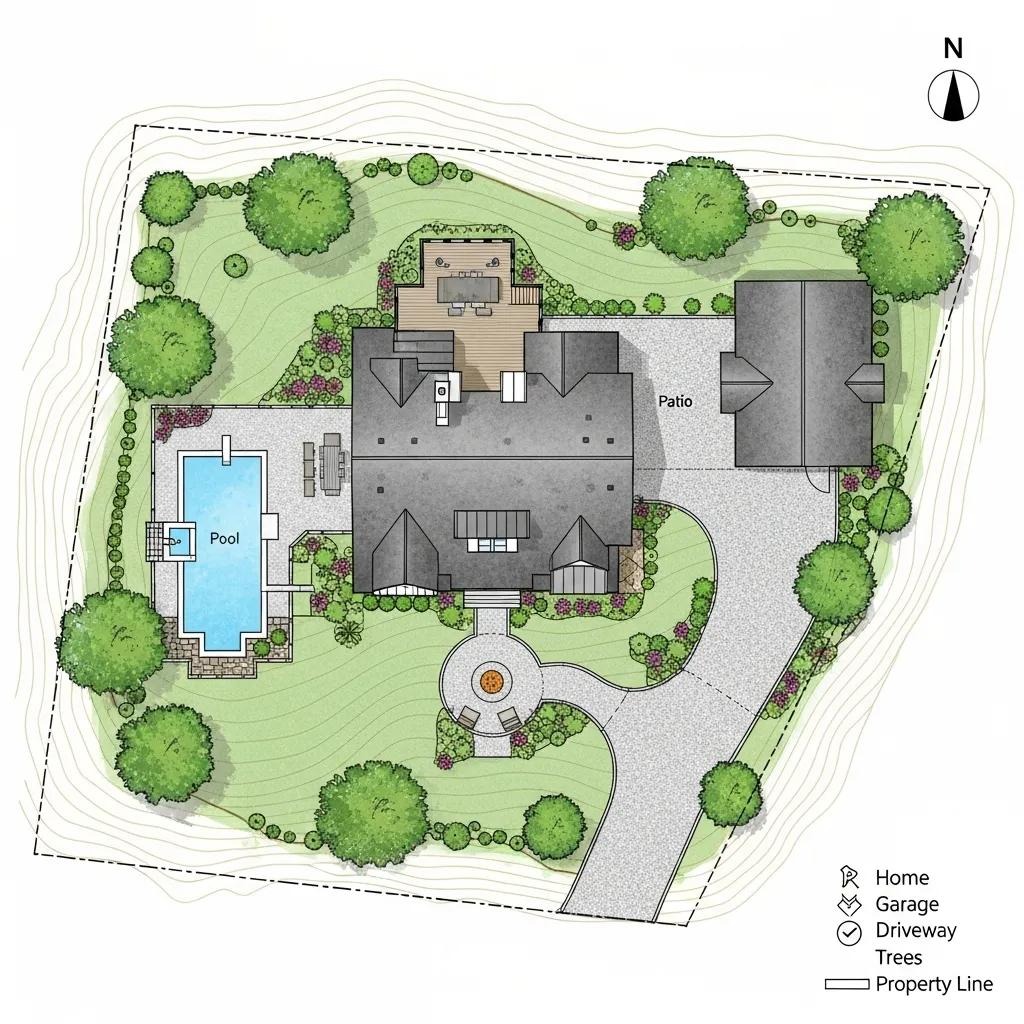
A residential site plan is a specific type of civil site plan that focuses on residential properties. It includes several essential components that ensure the home is built efficiently and safely.
A site layout plan typically includes:
These elements are vital for visualizing how the home will fit within the overall site and ensuring that it meets local regulations.
Grading and drainage plans are critical for protecting a home from water damage. Proper grading ensures that water flows away from the foundation, reducing the risk of flooding and structural damage. Drainage plans detail how excess water will be managed on the property, including the use of swales, drains, and retention or detention ponds. By addressing these issues in the planning stage, homeowners can prevent costly repairs and maintain the integrity of their property.
Civil site plans play a crucial role in the success of home building projects by ensuring compliance with local regulations and facilitating efficient construction.
Site plans are often required for obtaining building permits, as they demonstrate that the proposed construction adheres to local zoning laws and building codes. By providing a clear and detailed representation of the project, site plans help streamline the permit approval process, reducing delays and potential rework.
Properly prepared site plans can identify potential issues before construction begins, such as zoning conflicts or drainage problems. By addressing these concerns early in the process, homeowners can avoid costly delays and rework that may arise from unforeseen complications during construction. This proactive approach not only saves time but also helps keep the project within budget.
Civil site plans are typically prepared by licensed professionals who specialize in land development and engineering.
Licensed civil engineers play a vital role in site planning by ensuring that the design meets all regulatory requirements and is structurally sound. They analyze the site conditions, including topography and soil composition, to create plans that optimize land use while adhering to safety standards. Their expertise is essential for developing effective grading and drainage solutions.
Surveyors provide critical data about the land, including property boundaries and topographical features, which inform the site plan's design. Architects, on the other hand, focus on the aesthetic and functional aspects of the buildings being constructed. Together, these professionals collaborate to create a comprehensive site plan that balances functionality, safety, and design.
Understanding site plan requirements is essential for homeowners seeking building permits, as these documents are often a prerequisite for approval.
Common requirements for residential building permits include:
Meeting these requirements is crucial for obtaining the necessary permits to begin construction.
Proper site planning facilitates the permit approval process by providing clear and comprehensive documentation that addresses all regulatory concerns. When site plans are well-prepared, they reduce the likelihood of revisions and resubmissions, expediting the overall approval timeline. This efficiency is beneficial for homeowners eager to begin their construction projects.

Civil engineering plays a significant role in site development, ensuring that homes are built on solid foundations and within regulatory guidelines.
These steps are essential for ensuring that the development is safe, efficient, and compliant with all regulations.
Site plans optimize land use by strategically placing buildings and infrastructure to maximize functionality while minimizing environmental impact. They also ensure safety by incorporating features such as proper drainage and access routes, which are critical for emergency services. By considering these factors in the planning stage, civil engineers help create sustainable and safe residential environments.
