

New Home Construction Documents Required in Australia: Complete Approval and Compliance Guide
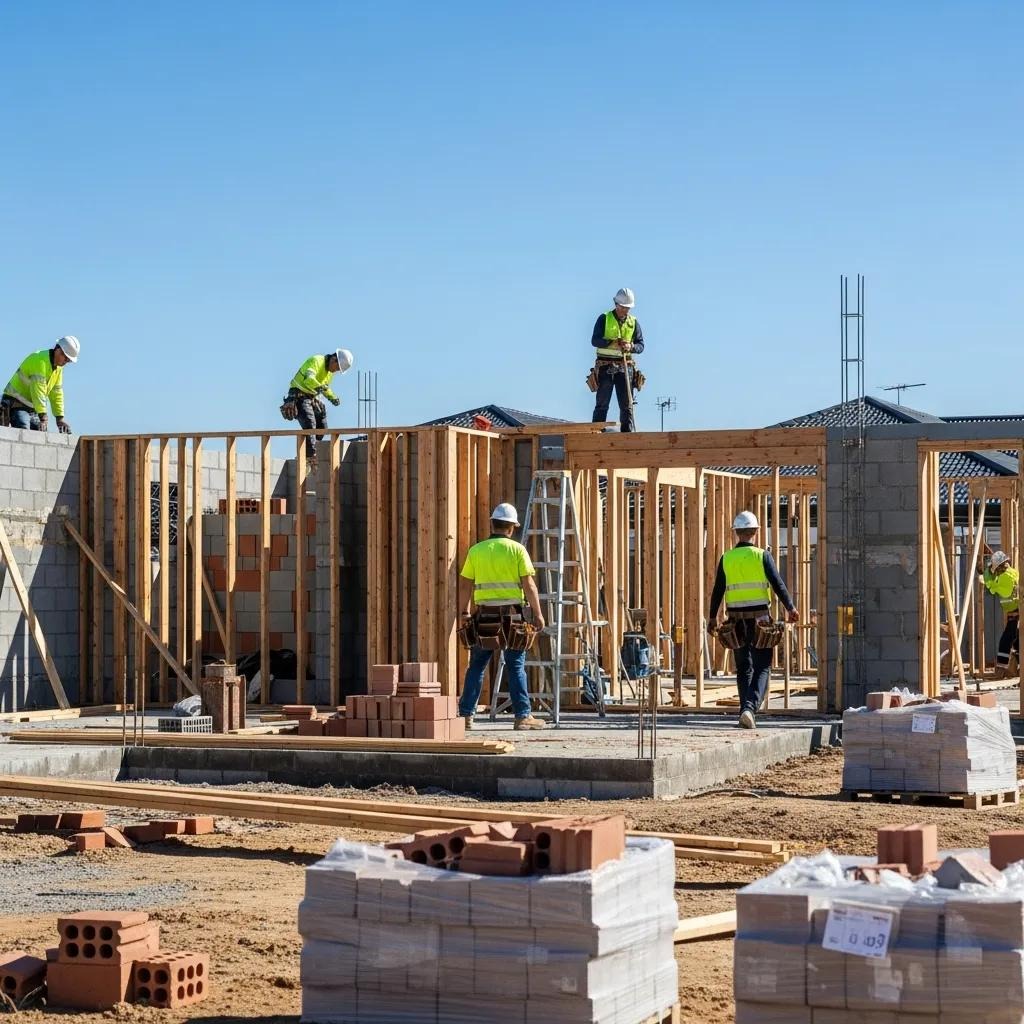
Navigating the landscape of new home construction in Australia can be complex, particularly when it comes to understanding the necessary documentation. This guide aims to clarify the essential building permit documents required for compliance and approval, ensuring that homeowners and builders alike can proceed with confidence. The importance of these documents cannot be overstated, as they play a crucial role in ensuring safety, legality, and adherence to local regulations. In this article, we will explore the essential building permit documents, the approval process across Australian states, construction certificate requirements, owner builder permits, and the influence of the National Construction Code (NCC) on these documents. By the end, you will have a comprehensive understanding of what is needed to successfully navigate the new home construction process in Australia.
In Australia, several key documents are essential for obtaining a building permit. These documents ensure that the construction complies with local regulations and safety standards. The primary documents required typically include:
These documents are critical in the approval process, as they provide the necessary information for local councils or certifiers to assess the proposed construction's compliance with zoning laws and building codes.

Architectural drawings are a fundamental component of the building permit application. They typically include:
These specifications must adhere to local building codes and regulations to ensure compliance and safety.
Structural engineering reports are essential for verifying that the proposed building can withstand various loads and environmental conditions. These reports assess factors such as:
Soil tests are equally important, as they evaluate the soil's composition and stability. This information helps determine the appropriate foundation design, which is crucial for the building's long-term safety and durability.
The approval process for new home construction varies across Australian states and territories, but it generally follows a similar framework. Understanding this process is vital for ensuring compliance and avoiding delays.
Development applications (DAs) are often the first step in the approval process. They must be submitted to the local council or planning authority and include all necessary documentation, such as architectural drawings and engineering reports. The council reviews the application to ensure it complies with local zoning laws and planning regulations.
Planning permits or development approvals may also be required, depending on the nature of the development and the state or territory. These permits address specific aspects of the project, such as land use and environmental impact, ensuring that the proposed construction aligns with community standards and regulations.
Once a development application or planning permit is approved, the next step is obtaining a construction certificate (or equivalent approval). This certificate confirms that the proposed construction complies with the approved plans and relevant building codes. It is essential for commencing construction and is typically issued by a registered building surveyor or accredited certifier.
The construction certificate process involves reviewing the final plans and ensuring that all necessary documentation, such as engineering reports and compliance certificates, is in order. This step is crucial for ensuring that the construction adheres to safety and quality standards.
Obtaining a construction certificate requires specific documentation to ensure compliance with building regulations. The following documents are typically required:
These documents must be submitted to the building surveyor or certifier for review before the construction certificate can be issued.
Construction certificates are typically issued by registered building surveyors, accredited certifiers, or local councils, depending on the jurisdiction. The required documents for issuance include:
It is essential to ensure that all documentation is complete and accurate to avoid delays in the approval process.
The construction certificate is directly linked to the development application or planning permit. It serves as confirmation that the proposed construction complies with the approved plans and relevant building codes. Without a valid construction certificate, construction cannot commence, making it a critical step in the approval sequence.
The relationship between the construction certificate and the development application underscores the importance of thorough documentation and compliance throughout the approval process.

For individuals wishing to undertake construction as an owner-builder, specific documentation is required to obtain the necessary permits. This process ensures that the owner-builder meets all legal and safety requirements.
To be eligible for an owner-builder permit, individuals must demonstrate a certain level of competency in construction. This typically includes:
These requirements ensure that owner-builders are equipped with the knowledge necessary to manage their construction projects effectively.
When applying for an owner-builder permit, several supporting documents must be submitted, including:
These documents are crucial for demonstrating compliance with local regulations and ensuring the safety of the construction project.
The National Construction Code (NCC) sets the minimum standards for the construction of buildings in Australia. It plays a significant role in shaping the documentation required for new home construction.
The NCC 2022 Amendment 1 introduced several key compliance requirements that impact new home construction documents, including:
These compliance requirements ensure that new homes are built to high standards of safety, sustainability, and accessibility.
Australian Standards provide detailed guidelines and specifications that complement the NCC. They cover various aspects of construction, including materials, design, and safety practices. Compliance with these standards is essential for obtaining building approvals and ensuring that construction projects meet the required quality and safety benchmarks.
The integration of Australian Standards with the NCC ensures a comprehensive approach to building approvals, promoting safety and quality in new home construction across Australia.
