

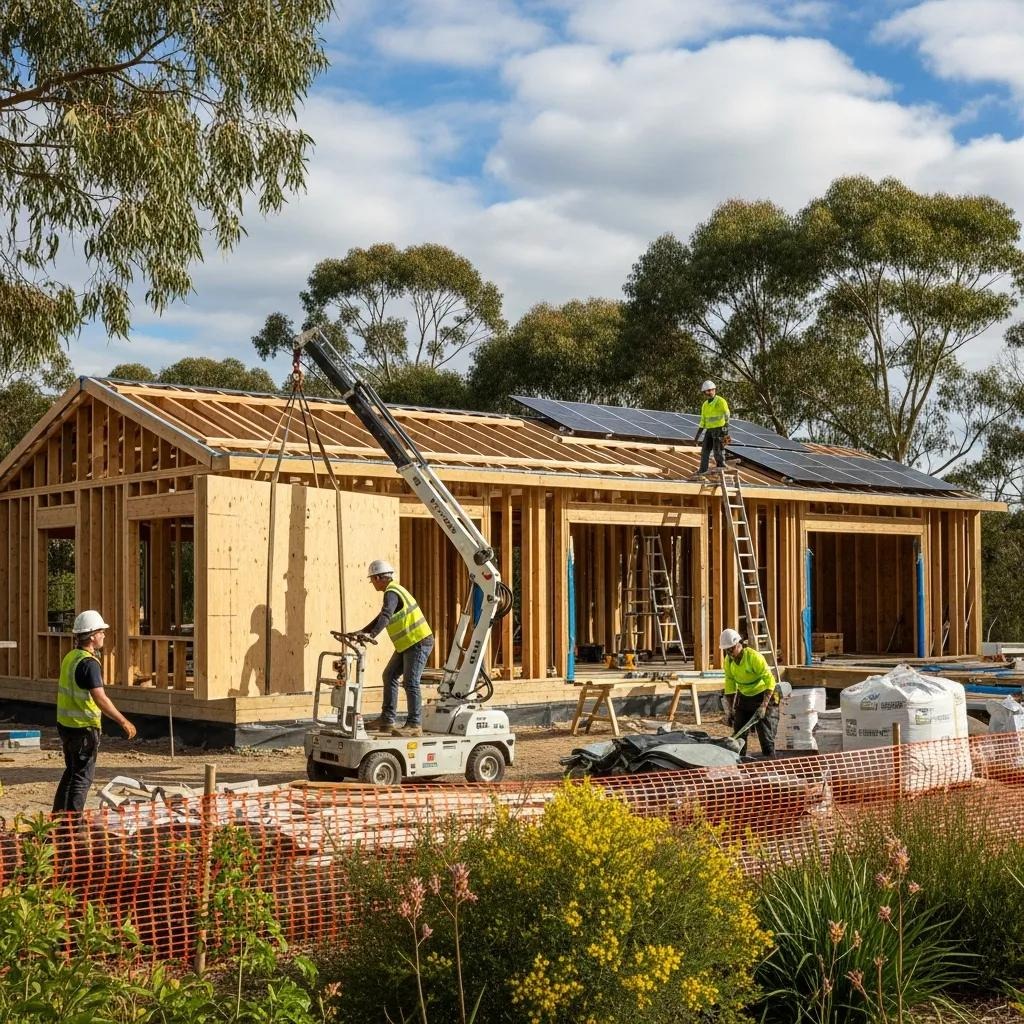
Home construction in Australia significantly impacts the environment, affecting ecosystems, carbon emissions, and resource consumption. This article explores the various environmental impacts associated with home construction, emphasizing the importance of sustainable practices to mitigate these effects. Readers will gain insights into the major environmental challenges posed by construction activities and learn about effective waste management strategies, carbon emissions, and the role of building materials. Additionally, we will discuss how government policies and green building standards can support sustainable home construction in Australia. By understanding these factors, stakeholders can work towards reducing the environmental footprint of home building.
Home construction in Australia contributes to several environmental challenges, including waste generation, carbon emissions, and resource depletion. The construction industry is a significant source of construction and demolition waste, which poses challenges for waste management and environmental sustainability. Moreover, the carbon footprint associated with residential construction is substantial, impacting climate change and air quality. Understanding these major impacts is crucial for developing strategies to minimize the environmental footprint of home building.
Construction waste significantly affects Australia’s environment through its contribution to landfill overflow and pollution. The types of construction waste include concrete, timber, metals, and plastics, which often end up in landfills, leading to soil and water contamination. The environmental consequences of this waste include habitat destruction and increased greenhouse gas emissions from decomposing materials, particularly organic waste. Effective waste management strategies are essential to mitigate these impacts and promote recycling and reuse of materials.
The carbon footprint of Australian residential construction is a critical concern, as it encompasses both embodied and operational carbon emissions. Embodied carbon refers to the total greenhouse gas emissions associated with the production and transportation of building materials, while operational carbon pertains to emissions generated during the building’s use phase. Understanding these sources of emissions is vital for addressing climate change and promoting sustainable construction practices.
Effective construction waste management plays a crucial role in influencing environmental outcomes in home building. By implementing sustainable waste management practices, the construction industry can significantly reduce its environmental impact. This includes strategies for minimizing waste generation, promoting recycling, and reusing materials, which can lead to more sustainable building practices.
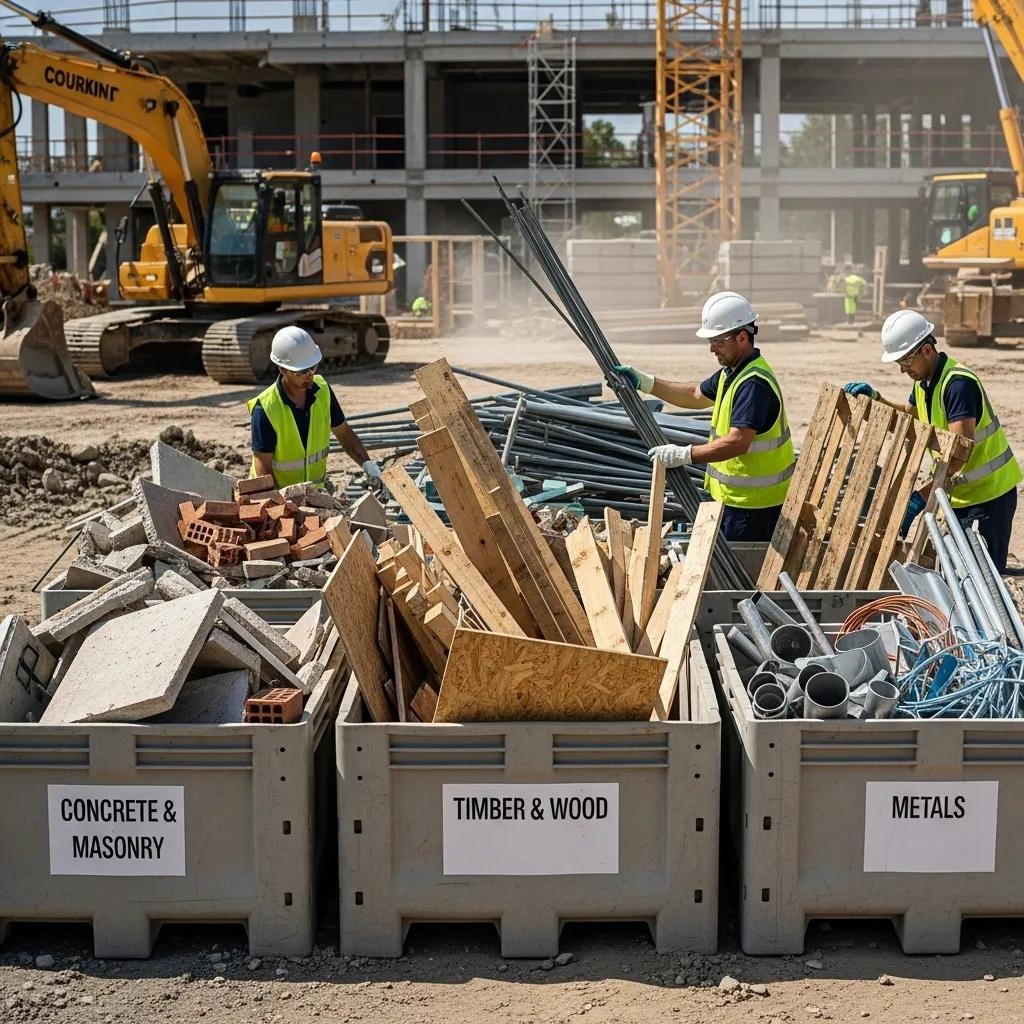
Statistics indicate that Australia generates approximately 20 million tonnes of construction and demolition waste annually. In recent years, a significant portion of this waste has ended up in landfills, although recycling rates have improved due to increased regulatory focus and industry initiatives. The types of waste produced include concrete, timber, metals, and plastics, highlighting the need for improved waste management practices to reduce environmental harm.
Several recycling and reuse strategies can effectively reduce the impact of construction waste. These include:
The importance of integrating recycling and design for disassembly into the early stages of construction is further emphasized by research highlighting their potential to significantly reduce environmental impact.
Recycling & Design for Disassembly in Sustainable Construction
Recycling as part of environmental considerations has become a common feature in architecture and building construction. Recycling of building waste can make a considerable contribution to reducing the total environmental impact of the building sector. To increase the scope for recycling in the future, aspects of recycling have to be included in the design phase. Design for disassembly is a key task to increase the future scope for recycling.
Recycling potential and design for disassembly in buildings, 2001
Further research emphasizes the critical role of design for disassembly in transitioning Australian housing towards a circular economy and minimizing construction waste.
Design for Disassembly: Reducing Construction Waste in Australian Housing
The built environment is the biggest consumer of natural resources globally, with construction and demolition materials among the biggest sources of waste in developed countries. In Australia, the housing sector continues to use construction methods based on a ‘take-make-waste’ linear model, which is an unsustainable practice for using materials on a planet of finite natural resources and increasing population. New design and construction practices are being developed internationally to target the most sustainable options for handling materials and components at a building’s end of life. A transformational design shift is needed to transition the Australian housing construction market to a Circular Economy (CE), keeping materials in use for longer.
Design for adaptability and disassembly: Towards zero construction waste in the Australian housing sector, P Leardini, 2022
Carbon emissions play a significant role in the environmental footprint of Australian homes, contributing to climate change and air pollution. Understanding the sources of these emissions is essential for developing effective strategies to reduce their impact.
Embodied carbon refers to the greenhouse gas emissions associated with the extraction, production, and transportation of building materials. In Australian home construction, embodied carbon can account for a substantial portion of a building’s total carbon footprint, especially as operational emissions decrease with improved energy efficiency. Reducing embodied carbon through the use of sustainable materials and efficient construction practices is crucial for minimizing the overall environmental impact of homes.
Minimizing operational energy use in Australian residential buildings can significantly reduce carbon emissions. Strategies to achieve this include:
The choice of building materials has a profound impact on the environment in Australian home construction. Different materials have varying environmental effects, influencing resource consumption, waste generation, and carbon emissions.
Common building materials such as concrete, timber, and steel have distinct environmental effects. For instance, concrete production is energy-intensive and contributes significantly to carbon emissions, while timber harvesting can lead to deforestation and habitat loss if not managed sustainably. Understanding these effects is essential for making informed material choices that promote sustainability.
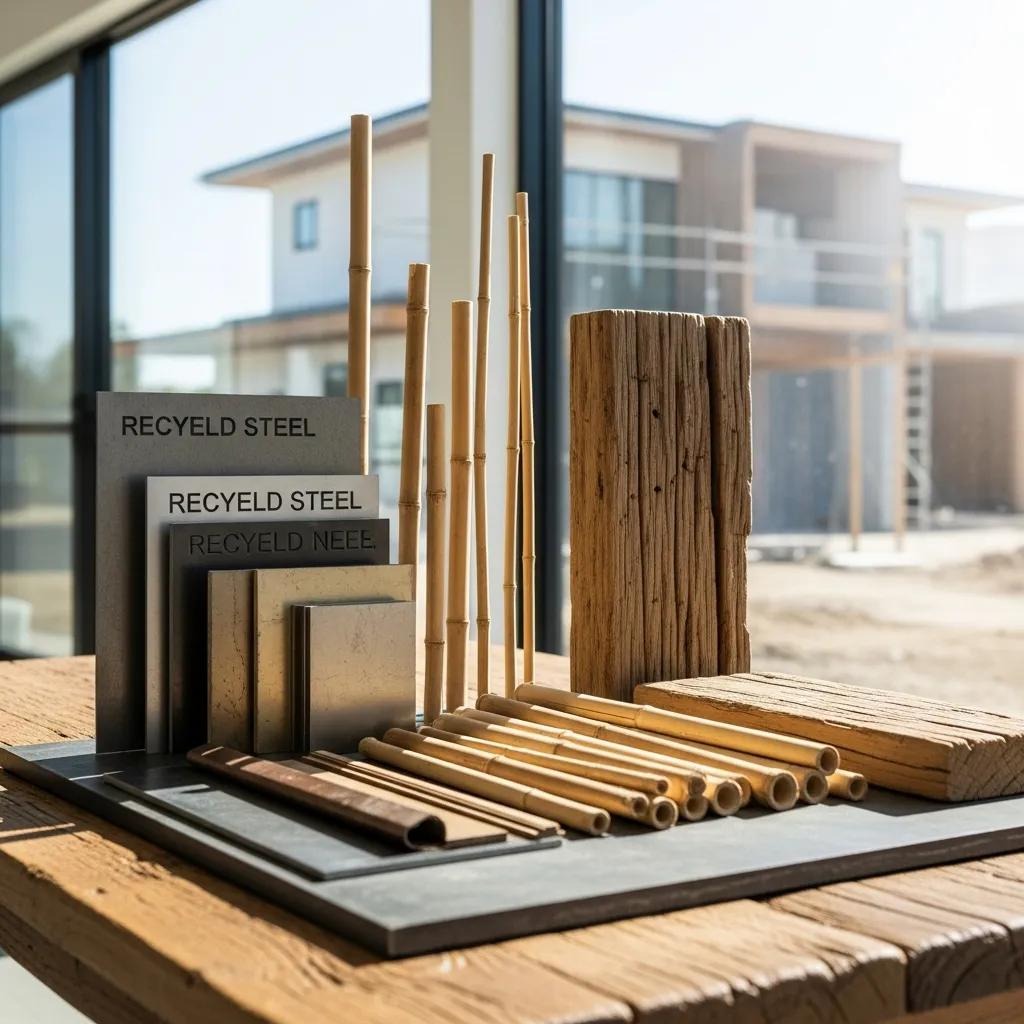
Several sustainable and eco-friendly materials are available for Australian homes, including:
Housing development in Australia can lead to significant land use changes and biodiversity loss. Understanding these effects is crucial for promoting sustainable development practices.
Land conversion for housing development disrupts natural ecosystems, leading to habitat loss and fragmentation. This can result in decreased biodiversity and the extinction of local species. Sustainable land-use planning, including protection of native vegetation and wildlife corridors, is essential to mitigate these impacts and preserve ecological integrity.
Timber harvesting for construction can have detrimental effects on biodiversity, particularly when unsustainable practices are employed. Overharvesting can lead to deforestation, habitat destruction, and loss of species. Implementing sustainable forestry practices, such as those certified by the Forest Stewardship Council (FSC), is vital for balancing timber production with biodiversity conservation.
Government policies and green building standards play a crucial role in promoting sustainable home construction in Australia. These frameworks provide guidelines and incentives for environmentally responsible building practices.
The Green Building Council Australia (GBCA) and the Nationwide House Energy Rating Scheme (NatHERS) are key organizations that promote sustainability in the building sector. The GBCA provides certification for green buildings, encouraging developers to adopt sustainable practices, while NatHERS offers energy ratings for homes, helping consumers make informed choices about energy efficiency.
Specifically, the Nationwide House Energy Rating Scheme (NatHERS) serves as a foundational regulatory tool for setting minimum energy performance standards in new Australian housing.
NatHERS: Energy Efficiency Standards for Australian Housing
to improve the energy efficiency of buildings. The Nationwide House Energy Rating Scheme (NatHERS), which is used for the regulation of minimum energy performance standards for new housing in Australia.
Comparing the energy performance of Australian houses using NatHERS modelling against measured household energy consumption for heating and cooling, T O'Leary, 2016
The Australian Building Codes Board (ABCB) aims to achieve net-zero carbon emissions in the building sector by 2050 through a series of strategic initiatives. These include updating building codes to enhance energy efficiency, promoting the use of renewable energy, and encouraging sustainable building practices. By setting ambitious targets, the ABCB is working towards a more sustainable future for the construction industry.
The ABCB's ambitious goals align with broader discussions on policy effectiveness and the challenges of achieving a truly zero-carbon built environment in Australia.
Policy & Regulation for Australia's Zero-Carbon Built Environment
This chapter describes how the transition to a zero-carbon built environment is underway in Australia, but in an unplanned and inconsistent manner, despite rather than because of effective policy signals. Those who have poor solar access, lower incomes or insecure forms of tenure will largely miss out on its benefits. Energy efficiency improvement is lagging due to policy and regulatory practice that appears biased against regulation and which fails to explore more progressive models, such as market transformation. Examples of best practices from Europe, North America and the Asia-Pacific are explored. The chapter calls for reform of policy practice in Australia, making use of the full range of policy and regulatory models, and review processes that are rules-based, transparent and accountable.
The trajectory to a net zero emissions built environment: the role of policy and regulation, 2019
The table above highlights the major environmental impacts associated with home construction in Australia, emphasizing the need for sustainable practices to mitigate these effects.
In conclusion, understanding the environmental impacts of home construction in Australia is essential for promoting sustainable practices. By addressing construction waste, carbon emissions, and the choice of building materials, stakeholders can work towards reducing the environmental footprint of home building. Government policies and green building standards further support these efforts, paving the way for a more sustainable future in the construction industry.
